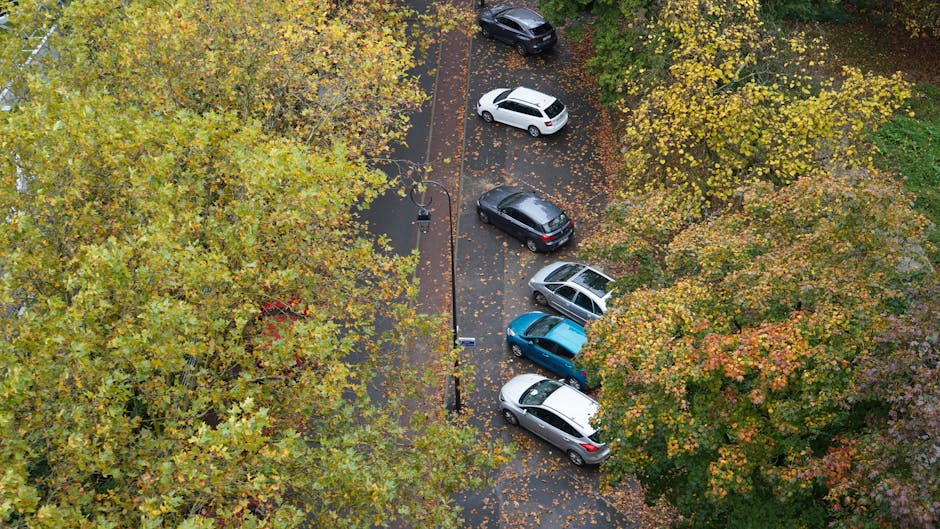
What to know Bromley Council parking rules for removals
If you are moving house or shifting an office in Bromley, parking is rarely the glamorous part of the day, but it can make or break the whole move. What to know Bromley Council parking rules for removals comes down to one thing: your van, truck, or removal vehicle needs space to stop legally, safely, and close enough to the property to keep loading times sensible. Miss that detail and you can end up with delay, stress, and a very awkward conversation while boxes pile up on the pavement.
In practice, the rules matter most because removals are time-sensitive. A few extra minutes hunting for a space can mean a longer carry, more labour, and a move that feels twice as hard as it should. The good news is that with a bit of planning, Bromley moves are very manageable. This guide explains how it usually works, what to check before the day, where people trip up, and how to keep the whole process smooth. If you are comparing help options, it can also be useful to look at removal services or a flexible man and van setup if your move is smaller or needs a lighter touch.
Table of Contents
- Why Bromley Council parking rules matter during removals
- How Bromley parking rules usually work for moving day
- Key benefits and practical advantages
- Who this is for and when it makes sense
- Step-by-step guidance
- Expert tips for better results
- Common mistakes to avoid
- Tools, resources and recommendations
- Law, compliance, standards and best practice
- Options, methods and comparison table
- Case study or real-world example
- Practical checklist
- Conclusion
- Frequently asked questions
Why Bromley Council parking rules matter during removals
Parking rules are not just a background detail. They shape where the vehicle can stop, how long it can stay, and whether the move happens in one clean sweep or in a series of frustrating trips. For removals, that has a knock-on effect on cost, timing, access, and safety.
Think about a typical morning move. The front of the property is busy, neighbours are leaving, bins are out, and your removal van wants to sit close to the door for loading. If you get parking wrong, the team may have to park farther away and carry furniture down the street. That is tiring, slower, and not ideal when you are lifting a sofa through a narrow Bromley terrace and trying not to knock the paint off the banister. Nobody needs that.
It also matters because parking restrictions can be more complicated than they look. A bay might be for permit holders only, a single yellow line may have timed restrictions, and a red route or loading ban can change the plan entirely. The safest approach is to assume nothing and check in advance.
Expert summary: the best removal day is not the one with the biggest van. It is the one with the right access, the right stopping point, and no surprise parking problem halfway through.
For larger jobs, especially office or multi-van moves, parking planning becomes even more important. If you are coordinating staff, stock, or equipment, browsing office removals or commercial moves may help you picture the scale of vehicle access needed before the day arrives.
How Bromley parking rules usually work for moving day
Bromley Council parking arrangements generally follow standard UK local authority principles: some places are unrestricted, some are controlled by permits or paid bays, and many streets have time-based restrictions. Removals sit in the middle of that system. You may be able to load or unload in certain places for a limited period, but you should never assume that a removal van automatically gets special treatment.
In plain English, the process usually works like this:
- Check the street and the nearest bay or restriction sign.
- Confirm whether the vehicle can stop there for loading or whether you need a permit or dispensation.
- Plan the removal vehicle size around the road width and access point.
- Make sure the driver knows where to wait if the property frontage is blocked.
- Build in buffer time for parking, especially in busy residential areas.
That last point is huge. A move scheduled for 9:00 a.m. can easily slide if the vehicle cannot pull in close to the property. A parking plan gives everyone a better day. Truth be told, it is often the difference between a calm handover and a rushed scramble with keys, boxes, and a lot of sighing.
If your move involves a smaller load, a moving van or removal van may be easier to position than a larger truck. For bulkier moves, you may need a moving truck or even removal truck hire, which makes the parking discussion even more important because bigger vehicles need more room and more careful route planning.
Common parking scenarios you should expect
- Residential permit streets: Often the trickiest because kerb space can be limited and visitor parking may be scarce.
- Timed loading bays: Useful, but only if your loading window matches the move.
- Single yellow line areas: Sometimes workable for loading, but timing and local signs matter.
- Busy high street or mixed-use roads: More likely to need precise timing and a realistic unloading plan.
- Flats and apartment blocks: Access may depend on management rules as well as council parking.
Key benefits and practical advantages
Getting the parking side right gives you several very practical benefits. Some are obvious, some only become obvious when things go wrong.
- Faster loading and unloading. A vehicle close to the door saves walking time and energy.
- Lower risk of damage. Fewer long carries mean fewer chances to scuff walls, doors, and furniture.
- Better value. If movers are not wasting time looking for parking, the job usually runs more efficiently.
- Less stress. The day feels more controlled, which sounds minor until you are doing it in real life.
- Safer handling. Heavy items are easier to move when the route from van to property is short and clear.
There is also a trust angle here. A removal company or man-with-van operator that asks parking questions before booking is usually showing proper experience, not being fussy. In our experience, the best movers are often the ones who seem mildly obsessed with access details. That is not a quirk, that is professionalism.
For peace of mind around the rest of the move, it is sensible to review practical policies too, such as health and safety policy and insurance and safety. These pages help build confidence that the wider move is being handled responsibly, not just the parking.
Who this is for and when it makes sense
This information is useful for a lot of people, not just those moving from a terraced house with a tricky driveway.
- Home movers who need to park close to a front door, flat, or shared entrance.
- Families moving on a tight schedule with children, pets, and a lot of boxes.
- Landlords or tenants doing end-of-tenancy removals where time and access are both tight.
- Office managers arranging the move of desks, files, and IT equipment.
- Small businesses relocating stock or equipment in a single day.
- Anyone using a larger removal vehicle who needs to think about vehicle height, street width, and safe stopping points.
If you are arranging a full property move, house removals, home moves, or support from house movers may be more suitable than a quick lift-and-go service. On the other hand, if you only have a few items and some boxes, a smaller setup can be enough. That distinction matters because parking requirements often scale with the size of the vehicle.
One little reality check: if you are moving from a block of flats, parking rules can involve both the council and the building management. The council may say one thing, but the estate may have its own bays, fob access, or no-standing rules. Always check both. It saves a headache later.
Step-by-step guidance
Here is a practical way to approach Bromley Council parking rules for removals without overcomplicating it.
1. Assess the property access first
Start by looking at the front of the property, the road layout, and the likely distance from the vehicle to the door. Is there enough space for a van to stop briefly? Is the road narrow? Are there trees, parked cars, or a junction nearby? These small details matter more than people expect.
2. Read the street signage carefully
Signage tells you whether a bay is permit only, shared use, loading only, or restricted at certain times. Do not rely on memory from a previous visit. Streets change, and restrictions can be surprisingly unforgiving.
3. Decide whether your vehicle can legally stop
Not every stopping point is a parking space in the ordinary sense. Sometimes you can load for a short period, sometimes you cannot. The decision depends on the exact restriction, the vehicle position, and the time of day. When in doubt, assume the stricter reading and plan conservatively.
4. Build the vehicle plan around the move
If parking near the entrance is tight, consider whether a smaller van will make life easier. Services such as man with van, man with van removal, or removals van can be a better fit for awkward streets than a larger rig. Bigger is not always better. Sometimes it is just bigger.
5. Keep the arrival window realistic
Give yourself extra time. Morning traffic, school runs, deliveries, or a neighbour's car blocking the road can all change the plan. A fifteen-minute buffer is fine. A realistic buffer is better. Slightly annoying, but better.
6. Confirm responsibilities before the day
Ask who is handling parking checks, who is speaking to the driver, and who will be available if the vehicle has to wait. If you are using a professional team, ask them how they normally manage access. That question alone can reveal whether they know the area well.
Expert tips for better results
A few small adjustments can make a moving day noticeably easier.
- Walk the route in advance. Stand at the property entrance and imagine carrying a wardrobe or washing machine from the vehicle.
- Plan for rainy weather. A wet pavement changes grip, increases risk, and slows loading. A damp London morning can turn a straightforward move into a slippery one very quickly.
- Protect the unload zone. If the vehicle is going to sit nearby, make sure there is a clear path for items coming out.
- Keep documents to hand. If there is a permit, booking note, or building access arrangement, have it ready. No rummaging through drawers on the pavement.
- Use sensible packing order. Load the first items you need last, so unloading is not a chaotic dig through a van full of mystery boxes.
Another practical tip: if you are moving business equipment or stock, consider whether office relocation services or office removals would give you a better plan for access, loading, and parking than trying to improvise on the day. It is often the calmer route.
And a tiny human truth: the person who checks parking the day before is usually the one everyone thanks later. Not loudly, perhaps, but definitely.
Common mistakes to avoid
These are the errors that cause most unnecessary stress.
- Assuming loading is always allowed. It is not. Signs and times matter.
- Forgetting the return journey. You may need space at both the old and new address.
- Choosing a vehicle that is too large. Bigger vehicles can create more access trouble than they solve.
- Leaving parking checks until moving morning. By then, you are already behind.
- Ignoring flat or estate rules. Council parking is only one part of the picture.
- Not allowing for neighbours and delivery traffic. The road may look free on a quiet afternoon, then on moving day it is suddenly full of cars, bins, and life happening everywhere.
One of the most common slip-ups is overconfidence. People think, "It'll be fine, we'll just park outside." Sometimes yes. Often no. Bromley is like anywhere else in London in that sense: a good plan beats optimism every time.
Tools, resources and recommendations
You do not need a complicated toolkit, just a few reliable habits and the right support.
- Street signs and bay markings for the exact street-level rules.
- A printed move plan showing arrival time, vehicle details, and access notes.
- Photo notes from a site visit if the street is awkward or has tight corners.
- Clear packing labels so loading and unloading stay efficient.
- Support from an experienced mover who understands local access problems.
If you need help getting the rest of the job organised, you might also look at packing and unpacking services to save time, or pricing and quotes if you want a clearer idea of what the move may cost once parking complexity and vehicle size are factored in. For smaller item transport or disposal, furniture pick up can sometimes be the simplest answer.
Law, compliance, standards and best practice
Parking for removals sits within normal UK road and traffic rules, local parking controls, and any relevant property-specific access agreements. That sounds formal, but the practical takeaway is simple: do not block traffic, do not ignore signs, and do not treat a loading stop as a free-for-all.
Best practice usually means:
- checking restrictions before the move;
- making sure the driver understands where stopping is permitted;
- avoiding unsafe loading on bends, junctions, or narrow carriageways;
- respecting neighbours and shared access rules;
- using appropriate vehicle sizes for the street and property.
For removals, professionalism is not only about lifting technique. It is also about good judgement. A team that plans vehicle access properly is reducing risk for pedestrians, property, and the people doing the heavy lifting. That is the standard to aim for.
If you want reassurance on operational standards, reading the company's terms and conditions and insurance and safety information can help you understand what is covered and how the move is handled. Not the most exciting reading, perhaps, but it does matter.
Options, methods and comparison table
Different moves call for different approaches. Here is a simple comparison to help you choose the right setup.
| Approach | Best for | Parking impact | Practical note |
|---|---|---|---|
| Smaller van | Light home moves, boxes, a few items | Easier to fit into tighter streets | Good for short urban stops and quicker unloading |
| Standard removal van | Typical house moves and larger loads | Moderate parking demand | Balanced option for most residential moves |
| Large moving truck | Full house, business, or bulky items | Higher parking and access demand | Needs more planning, especially on narrow roads |
| Man and van service | Smaller or flexible jobs | Usually easiest to adapt to street conditions | Handy where parking is limited or access is awkward |
As you can see, the right choice is not just about load size. It is about the street too. A smaller vehicle can sometimes save the day, especially in older Bromley streets where parking is limited and the kerb space disappears fast.
Case study or real-world example
Imagine a couple moving from a first-floor flat near a busy residential road in Bromley. The new place is only a short drive away, but both streets have limited parking and no easy driveway access. On paper, the move looks straightforward. In real life, it is the parking that decides whether the day feels smooth or chaotic.
They start by checking the road layout the day before. The old address has permit-controlled parking with a short loading area near the entrance. The new address has a narrow road where larger vehicles would struggle to turn. So instead of booking the biggest van available, they choose a more manageable vehicle and book the arrival window early. They also pack the heaviest boxes first so the carry is short and efficient.
On moving day, the vehicle arrives, stops legally, and loading begins within a few minutes. No circling. No guessing. No awkward second attempt. The couple still have a tiring day, because let's face it, every move is tiring in its own way, but the parking does not become the villain of the story.
That is the point. Good parking planning does not make removals effortless. It makes them sane.
Practical checklist
Use this checklist before moving day. It is simple, but it catches the common problems.
- Confirm the exact moving date and arrival window.
- Check street signs at both addresses.
- Note whether loading is allowed, and for how long.
- Decide if the vehicle size matches the road and access point.
- Ask whether permits, dispensations, or estate permissions are needed.
- Make sure someone on site can speak to the driver if needed.
- Keep keys, parking notes, and building instructions together.
- Allow extra time for traffic, neighbours, and the unexpected.
- Protect floors and doorways if the carry distance is longer than planned.
- Double-check large items, especially sofas, wardrobes, and appliances.
If you are moving locally and want a smoother experience from start to finish, you may also want to look at removals near me, movers, or a trusted removal company if you prefer a more fully managed service.
Conclusion
The main thing to understand about Bromley Council parking rules for removals is that parking is part of the move, not an afterthought. Once you treat access, street restrictions, and vehicle size as core planning points, the whole process becomes much easier to manage.
A little preparation goes a long way. Check the signs, think through the loading route, match the vehicle to the street, and build in a bit of breathing room. That is usually enough to avoid the most common headaches. And if you are still in the planning stage, there is nothing wrong with asking for guidance early. Honestly, that is often the smartest move of all.
Get a free quote today and see how much you can save.
When the boxes are finally stacked in the right room and the last door clicks shut, it is a proper relief. Small wins matter on moving day.
Frequently Asked Questions
Do I need special permission for a removals van in Bromley?
Not always, but you should never assume the street allows stopping for removal work. The need for permission depends on the bay type, time restrictions, and whether the stop is for loading only. It is always safer to check the exact signs and any property rules before the move.
Can a removals van park on a yellow line while loading?
Sometimes loading may be tolerated in certain restricted areas, but this depends on the location, timing, and wording of the restriction. It is not a blanket rule. If the area has tight controls, use a more cautious approach and confirm the restriction first.
What if the moving truck cannot fit outside my house?
Then you need a fallback plan. That might mean using a smaller van, choosing a nearby legal stopping point, or planning a longer carry from the vehicle to the property. It is not ideal, but it is common enough, and good movers plan for it.
Is a smaller van better for Bromley residential streets?
Often yes, especially on narrower streets or where parking is limited. A smaller van can be easier to position legally and may reduce the chance of blocking traffic. For smaller moves, that can be a sensible choice.
How far in advance should I check parking for a move?
Ideally a few days ahead, then again the day before if possible. Parking situations can change quickly, especially in busier roads or near flats. A final check the evening before is a very good habit.
Do office removals need different parking planning from house moves?
Usually yes. Office moves can involve more items, more people, and tighter timing. Loading zones, staff access, and building rules all matter. That is why office removals and related planning deserve a more structured approach.
What is the biggest mistake people make with removals parking?
The biggest mistake is leaving it too late. People often focus on packing and forget the practical access side until moving day. Once the van is there, it is much harder to fix a parking problem than to prevent one.
Can estate or block rules override council parking arrangements?
Yes, in practice they can. The council controls the public road, but a private estate or building may have its own access requirements. If you are moving into or out of a managed block, check both sets of rules.
Should I choose man and van or a full removal service for difficult parking?
If the parking is tight and the load is modest, a flexible service such as man and van removals can be a better fit. If you are moving a whole house or need more hands, a fuller removal service may be worth it. The right choice depends on load size, street access, and how much help you want on the day.
What should I tell the mover about parking before moving day?
Give them the full picture: street type, restrictions, access issues, vehicle size concerns, and whether there is a preferred stopping point. The more honest the detail, the better the plan. It saves time later and avoids unpleasant surprises.
Where can I find more information about the company's policies?
You can review relevant company information such as about us, insurance and safety, and health and safety policy to get a better sense of how the move is handled. If you need to ask a question directly, the contact us page is the best place to start.
What if I only have a few furniture items to move?
Then you may not need a large truck at all. A smaller vehicle or a lighter service can be more sensible, especially where parking is awkward. If you are clearing out a sofa, table, or similar item, furniture pick up may be a practical option.
Are Bromley parking rules the only thing I need to think about?
No. Parking is important, but it sits alongside packing, access, insurance, timing, and the physical layout of both properties. The smoothest moves usually happen when all those pieces are considered together, not one by one at the last minute.